
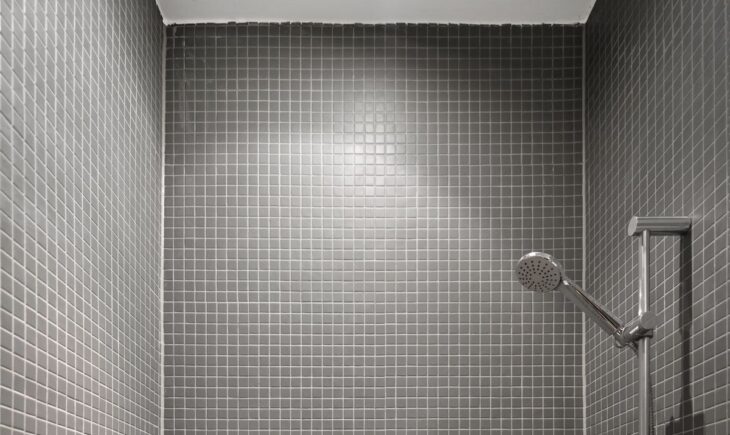
Start with water, not colour
Tile shopping in Malaysia usually begins with a mood board. Terrazzo looks, matte greys, a bit of green for the feature wall. That is the fun part, and it is fine to start there, but the tiles that age well in a Malaysian bathroom are the ones chosen for water first. Our showers run hot, the air stays humid, and many homes still have a wet bathroom where the whole floor gets splashed every day. A tile that looks great in a dry showroom can turn slippery, stained or cracked after one year of that.
So before falling for a finish, it helps to understand three things: how much water the tile body absorbs, how slippery the surface gets when wet, and how the grout and edges are handled. Countertops follow slightly different rules, which we will get to.
Ceramic or porcelain: what the absorption figure tells you
Every floor or wall tile sold in a serious showroom should come with a water absorption rating. The international standard ISO 13006 for ceramic tiles groups tiles by how they are made and how much water they soak up. Porcelain sits at the very low end, at 0.5 percent or less, while many glazed ceramic wall tiles absorb considerably more. Lower absorption generally means better resistance to staining and frost, though frost is not our problem here.
That does not mean ceramic is the weaker choice everywhere. For bathroom walls, where nothing heavy lands and water runs off, a glazed ceramic tile is easy to cut, light to install and cheaper per square metre. If you want to compare finishes, browsing ceramic wall and floor options side by side with porcelain ranges makes the trade off easier to see.
Short explainer on how porcelain and ceramic bodies differ, with cut samples.
Slip resistance and grout lines on a wet floor
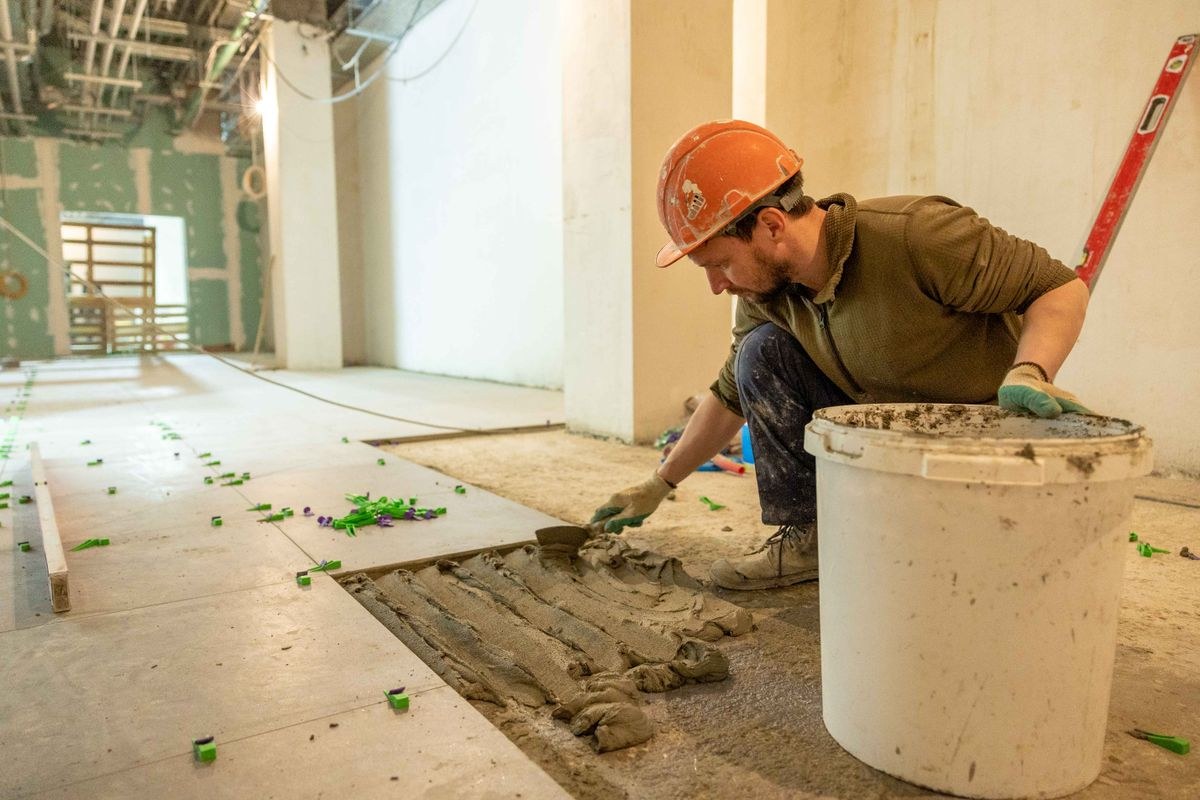
Polished floor tiles in a wet bathroom are an accident waiting to happen, especially for older parents or small kids. Look for a matte, textured or anti-slip finish on the floor, and keep the glossy tiles on the walls. The Tile Council of North America publishes guidance on wet dynamic friction testing, which is a useful reference when a supplier quotes a slip rating and you want to know what it actually measures.
Tile size matters too. Smaller floor tiles mean more grout lines, which add grip and make it easier to create a proper fall toward the drain. Large format tiles look clean but need a very flat screed and careful sloping. If you are planning a full renovation, Dongpeng’s bathroom range is a reasonable place to see how wall and floor tiles are typically paired for wet areas.
Countertops take a different kind of beating
Kitchen and vanity tops deal with heat, knives, curry stains and constant wiping. Natural stone, quartz, sintered stone and tiled tops all behave differently. Granite and marble are porous to varying degrees and usually need sealing, which the Natural Stone Institute explains in its care guidance. Sintered stone and porcelain slabs absorb very little and handle hot pots well, though their edges can chip if the fabrication is rushed.
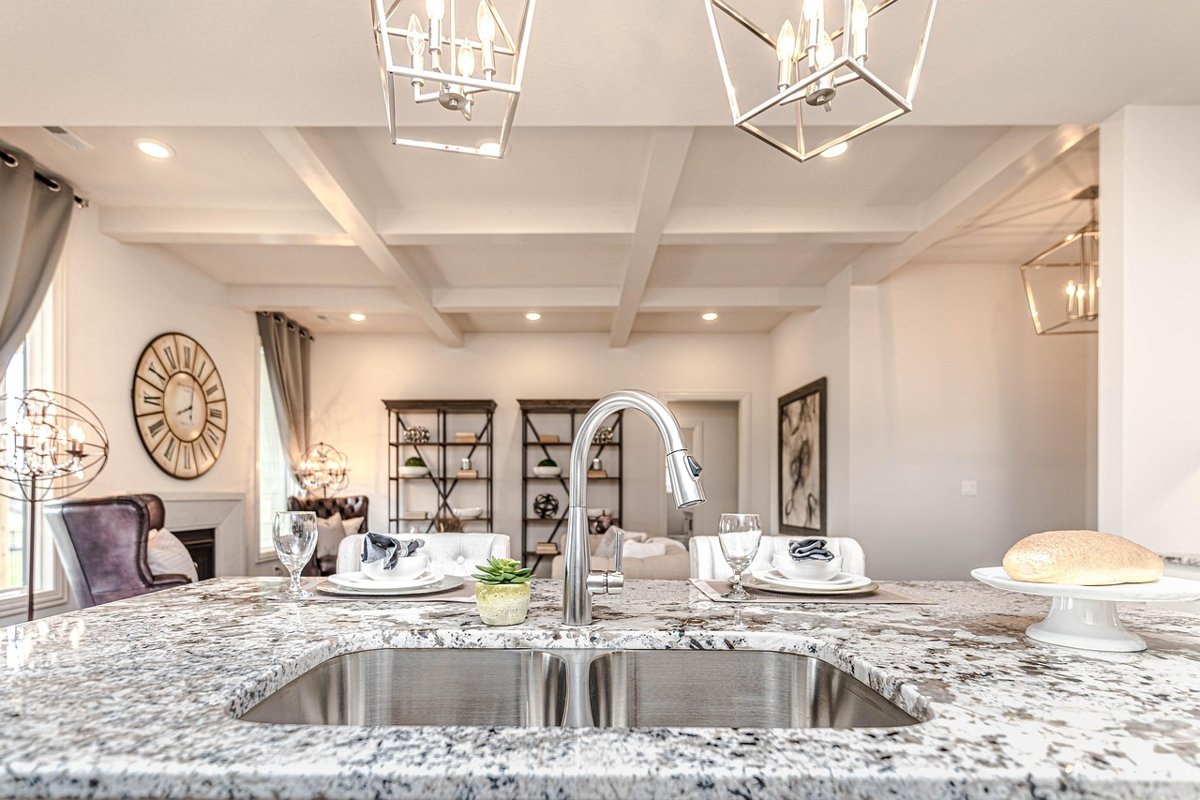
For a typical Malaysian kitchen with a wet side and a dry side, many homeowners choose a hard, low absorption surface for the wet side near the stove and sink. This countertop overview shows the main surface families if you are still deciding between a stone look and a cement or wood finish.
Whatever surface you pick, think about the joints. A long L-shaped kitchen top will usually need a seam somewhere, and where it falls affects both looks and hygiene. Ask the fabricator to show you the seam position on a drawing before cutting, and make sure the sink cut-out has proper support underneath.
Where the money is worth spending
If the budget is tight, spend it on the floor tile, the waterproofing membrane under it, and a competent tiler. Wall tiles and fittings can be upgraded later. A cheap wall tile with good workmanship ages better than an expensive one laid on a poor slope. Ask for leftover boxes to be kept, since matching a batch three years later is almost impossible.